

The Industries Benefiting From Toll Manufacturing
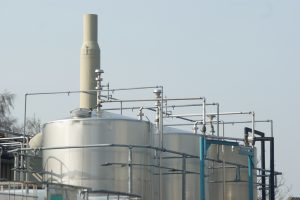
Scaling production to meet sudden market demands often presents a complex challenge for chemical and polymer producers. Expanding in-house facilities requires substantial capital expenditure, lengthy lead times, and significant operational risk. Toll manufacturing, also known as contract manufacturing, offers a highly effective strategic pathway to bypass these hurdles.
This model allows a business to outsource specific manufacturing processes to a third-party specialist, known as a “toller.” Unique to toll manufacturing is its exceptional flexibility, it can be integrated at multiple stages across different projects and is by no means a one-size-fits-all solution. For example, a business may choose to work with a toller during the critical scale-up phase of a new product launch, then bring manufacturing in-house once volumes or profitability justify further investment.
Alternatively, a company may assign existing products from their portfolio to a toller, freeing up internal manufacturing capacity to pursue new opportunities or strategic projects. For products that may not align with current plant setup or require specialist equipment and knowledge not present within the company, a toller can provide short-term or ongoing outsourced production.
This adaptable approach enables companies to access external infrastructure and technical expertise in a targeted manner, allowing resources to remain focused on core activities such as research, development, marketing, and sales. For sectors dealing with high-performance and speciality chemicals, these tailored partnerships deliver measurable operational and financial advantages.
Cost Efficiency and Reduced Capital Expenditure
One of the most significant advantages is the avoidance of large-scale capital investment. Building, equipping, and maintaining a manufacturing facility requires substantial financial resources, along with significant lead times for construction and commissioning. Toll manufacturing converts these potential capital costs into predictable operational expenses. This allows businesses to allocate capital to other strategic areas, such as product innovation or market expansion, while still achieving their production targets.
Scalability and Production Flexibility
Market demand is rarely static. It can fluctuate based on seasonal trends, economic conditions, or the emergence of new market opportunities. Toll manufacturing provides the agility to scale production volumes up or down in direct response to these changes. A company can increase output to meet a surge in demand or reduce it during slower periods without the financial strain of underutilised fixed assets. This flexibility is crucial for both emerging businesses and established corporations looking to test new products or enter new markets with minimal risk.
Access to Specialised Expertise and Equipment
Toll manufacturers are specialists. They possess advanced equipment, established process controls, and a workforce with deep technical expertise in specific chemical processes. Partnering with a toller grants immediate access to this specialised knowledge and technology. This is particularly valuable for complex processes involving hazardous materials, exothermic reactions, or stringent purity requirements. Companies can leverage the toller’s experience to optimise formulations, improve yields, and ensure consistent product quality, often achieving a higher standard than what could be managed in-house without significant investment in training and technology.
Enhanced Focus on Core Business Functions
Outsourcing production allows a company to concentrate its resources on its primary strengths. For many businesses in the specialty chemical sector, this means focusing on research and development (R&D), intellectual property (IP) management, and customer relationships. By delegating the manufacturing process to a trusted partner, internal teams are freed from the day-to-day operational complexities of production, allowing them to drive innovation and strategic growth.
Key Sectors Driving Innovation Through Tolling
A broad spectrum of industries depends on contract manufacturing to optimise operational efficiency, ensure strict regulatory compliance, and drive product innovation.
High-Performance and Specialty Chemicals
The specialty chemicals industry is defined by its production of low-volume, high-value products designed for specific end-use applications. These chemicals are the backbone of numerous advanced materials, from adhesives and sealants to performance coatings and electronic components.
Toll manufacturing is an ideal fit for this sector. Producers can develop and patent a unique formulation and then partner with a toller to handle the complex synthesis and blending processes. This allows them to bring innovative products to market quickly and efficiently. For example, a company that develops a novel polymer additive can use a toll manufacturer with expertise in polymerisation to produce it at scale, ensuring consistent quality and performance without building a dedicated reactor train.
Pharmaceutical Industry
The pharmaceutical sector operates under some of the most stringent regulatory frameworks in the world. Drug development is a long and expensive process, and manufacturing must adhere to Good Manufacturing Practices (GMP) to ensure product safety and efficacy.
Toll manufacturing partners offer pre-existing, compliant facilities and a deep understanding of the regulatory landscape. Pharmaceutical companies often outsource the production of Active Pharmaceutical Ingredients (APIs) or intermediates to specialised contract manufacturers. This allows them to mitigate risk, manage costs, and accelerate the time-to-market for new therapies. The toller takes on the responsibility of maintaining GMP compliance, managing complex supply chains, and executing precise chemical syntheses.
The agrochemical industry, which produces fertilisers, pesticides, and herbicides, faces challenges related to seasonal demand and a complex regulatory environment. Formulations often involve blending multiple active and inert ingredients to create a stable and effective end-product.
Toll manufacturers provide the flexibility needed to manage seasonal production peaks without investing in capacity that would sit idle for parts of the year. They possess the specialised blending equipment and packaging lines required to handle diverse product forms, including liquid concentrates, granular powders, and water-dispersible granules. By outsourcing production, agrochemical companies can focus on crop science research, field trials, and distribution, while their tolling partner ensures a reliable supply of high-quality products.
The formulation of paints, coatings, and inks requires precise control over pigment dispersion, viscosity, and binder chemistry. Production involves sophisticated milling and mixing equipment to achieve the desired performance characteristics, such as durability, colour consistency, and adhesion.
Toll manufacturers serving this industry provide access to large-scale mixers, bead mills, and dispersion units that are expensive to purchase and maintain. A company developing a new industrial coating can leverage a toller’s expertise to refine the manufacturing process and scale up production for commercial launch. This partnership enables them to respond to customer needs for custom colours or formulations without disrupting their primary production lines.
Toll manufacturing is more than just an outsourcing arrangement; it is a strategic partnership that drives measurable performance advantages, accelerates time-to-market, and guarantees product excellence.
Explore toll manufacturing solutions tailored to your specific industry requirements. Contact our technical team today to discover how a specialist manufacturing partner can help you scale production efficiently, safely, and sustainably.